
Heirlooms in waiting
The debut of Mémoire and the tastemaker behind it: Meaghan Cox

Tables Ready is a weekly publication on modern ambition, social capital, taste, and the people and brands shaping culture. Let’s get into it →
A few weeks ago, Rosie Huntington-Whiteley announced a new brand: Mémoire. Luxury goods shaped by an appreciation for craft, tradition, and the quiet rituals that give life texture. Think the classics: leather, glass, paper. Objects designed to hold meaning and beauty at the same time.
Before you read any more, it’s worth taking a quick look at their site to understand just how beautiful the brand and products really are. Fair warning: you’ll want everything.
The announcement was refreshingly restrained. No crazy algorithm strategy or desperation for engagement. Just: here’s what we made. And we’re going to throw an intimate dinner party in NYC with those who knew about it from the start to celebrate.
Most people see Rosie’s name attached to the brand and follow. Which is exactly why she’s front and center. Rosie’s whole vibe is beautiful, recognizable, timeless. And timeless is what the brand is selling.
But in my opinion, there’s a notable story here and an important face to the brand in addition to Rosie’s. It’s Meaghan Cox, co-founder of Mémoire.
Over the last decade, Meaghan has quietly become one of the most interesting taste architects working in brand and culture. And when something this thoughtfully executed arrives, she’s usually the reason why.
Let me explain why this matters and why you should be watching her.
The arc that makes sense in retrospect
Let’s go back to Jenni Kayne circa 2018. At the time it was successful founder-led brand, the kind of company that existed in a very clear lane, spoke to a specific audience, and had lots of potential.
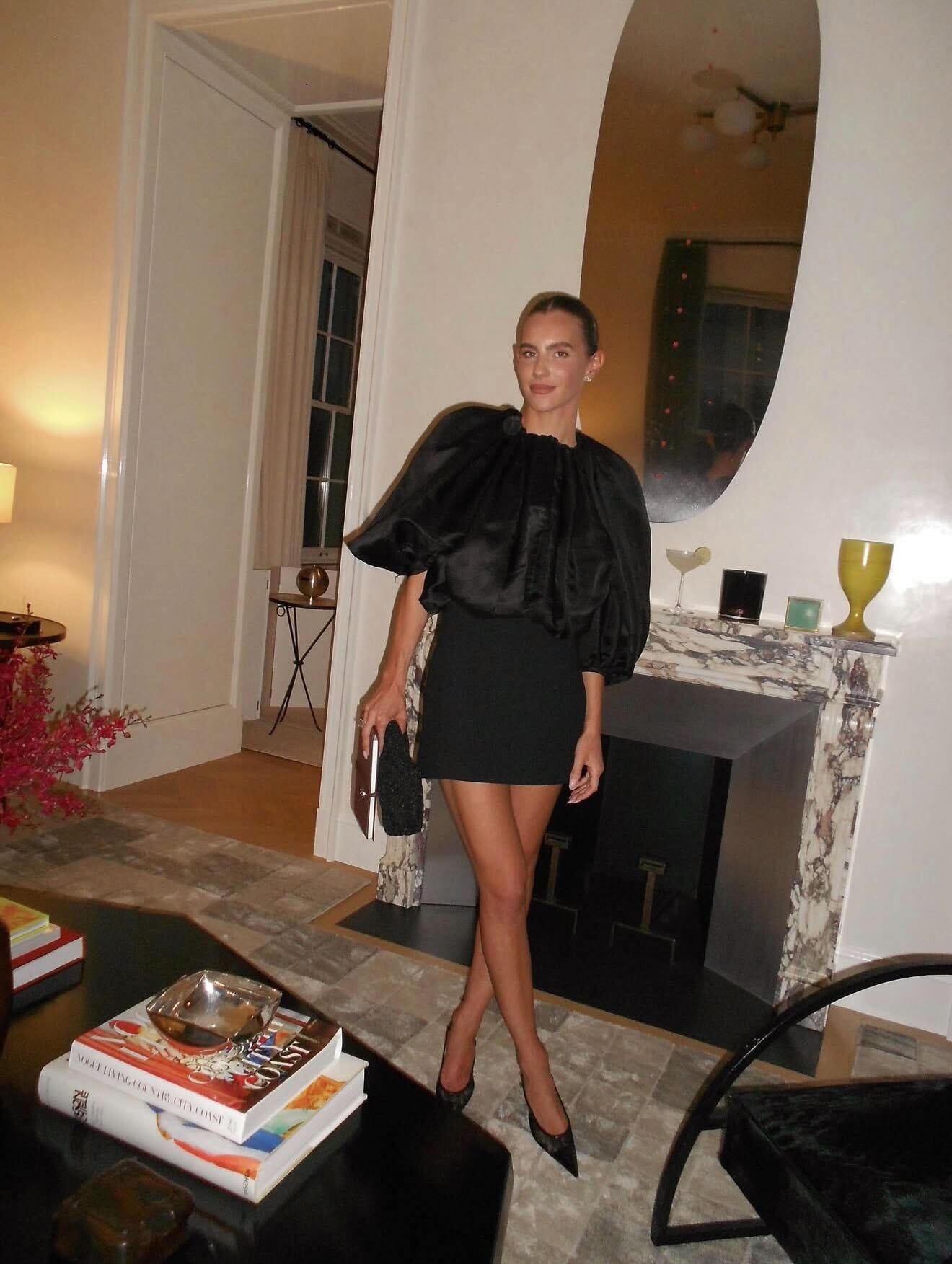
This is right around the time I first came across Meaghan on Instagram. Her grid was curated, you could tell, but in a I’m not trying for it be kind of way. She had a mix of lifestyle and business long before instagram was that. Little to no filters when filters were everywhere. Basically everything that’s ‘in’ now, Meaghan was doing close to a decade ago — naturally. So of course I gave her a follow and have been watching ever since.
At that time, she held strategic roles on the brand team. And eventually she worked her way to Chief Brand Officer. Her work in the role didn't go unnoticed outside of JK. In 2023, she made PR Net's Marcomms Most Influential list for the way she reshaped the brand and its growth strategy.
Since then, Jenni Kayne’s exploded. The brand expanded into home, essentials, even an eye-swooning hospitality project called The Jenni Kayne Ranch.
The genius to promote all of this was in the restraint.
Thoughtfully chosen tastemakers, like Ashley Harper (Instagram), shared the brand but didn't overly evangelize it. Desperation and taste don’t mix. And Ashley is the best at this. She’s simply: here’s my life, beautifully lived. Follow along if you want. Meaghan knew this and she built a strategy around it. Good taste looks like someone who doesn't need you to care. Just offering. Take it or don't. And it worked.
But here’s my favorite part:
She did all of this during a moment that doesn’t make sense. The height of her brand career at Jenni Kayne, and the significant growth the company saw with her leading from the front, was in 2020. When everyone was locked at home, when the idea of buying luxury comfort pieces felt frivolous, and the entire consumer behavior equation quite literally broke. Meaghan found a way to make Jenni Kayne feel necessary.
She saw what most brands missed: people weren’t buying clothes to wear, they were buying a sense of self at a moment when no one knew what was happening anymore.
Jenni Kayne’s linen, the cashmere, the structured ease of it. It wasn’t even about getting dressed then, but about maintaining a sense of self when everything else had collapsed. There was something about putting on the cable cocoon cardigan (RIP) and feeling good about ‘getting ready for work’ while you navigated what WFH meant for you. It was luxury comfort for professionals who were suddenly professional-ing from their bedroom with a blurred Zoom background.
Meaghan successfully played the role of a taste architect who understood the psyche of her customer. She knew the difference between what people say they want and what they actually need in a time when even the company had question marks.
When she left Jenni Kayne, most people thought it was a natural departure.
But the move she made next is the one that reveals what she actually understood about where culture lives.
The next best move isn’t always linear
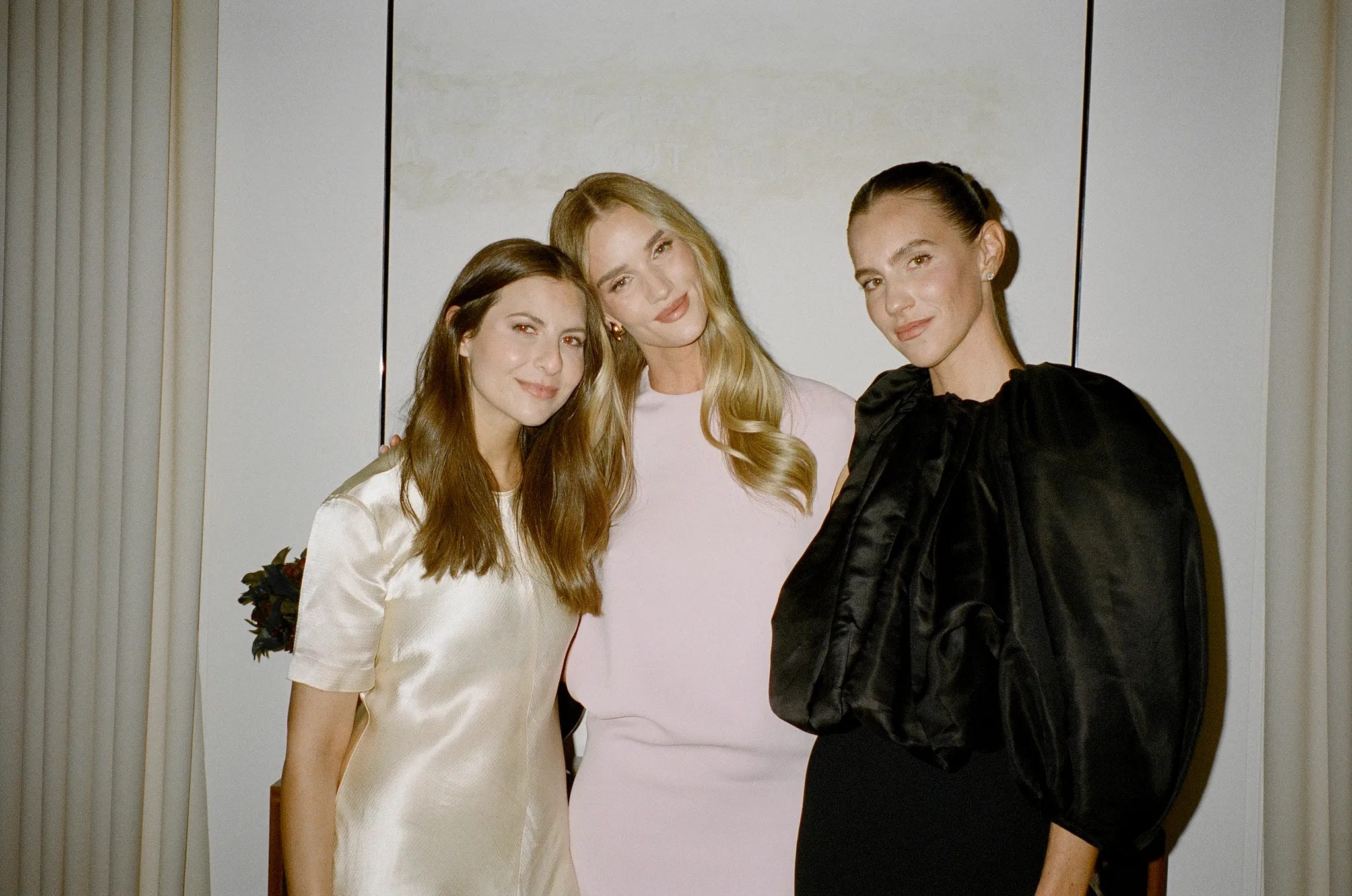
She became a Managing Partner at Westview Ventures alongside Julia Hunter, Hanna Paison, and Jackie Beyer McCabe.
Westview describes itself as “powering the brands that shape culture.” But that’s the PR version. The actual version is: a group of people with taste and strategic acumen who are essentially curating what comes next in luxury, beauty, design, and consumer culture.
They’re not venture capitalists in the traditional sense. They don’t just write checks and wait. They have a point of view about what matters, what’s becoming, and what deserves a seat at the table.
Brands they work with: Violet Grey, Literary Sport, Frankies Bikinis, OMMAGE, Khy. These are brands that have cultural force. They’re not trying to be everything to everyone. They’re building for meaning.
And Meaghan’s helps architects/founders/creators figure out how to build for that.
Think about what that actually means. She went from running the brand-building machine at Jenni Kayne: high velocity, high scale, responsive to moment — like every brand needed to be. To having a seat in rooms with founders and designers and strategists. Helping them think about what their brand should be at the deepest level.
She strategically made the move from executing to architecting. From responding to the market to shaping it.
Some people might consider this an unconventional move. But anyone paying attention knows it’s actually where the real power is.
Because here’s the reality of culture: the people who shape it are almost never the ones with the biggest platform. They’re the people in the rooms where decisions get made. The people who know what comes next. The people with taste so trusted that when they say “this matters” everyone else pays attention.
And then she launched something
The timing of Mémoire makes total sense. It’s the full picture of what Meaghan understands about brand building in this moment.
She spent seven years scaling a clothing and home brand during the hardest cultural moment to scale anything. She spent the last few years shaping how other brands think about their own cultural role. And now she’s putting all of that into Mémoire along with the remainder of the co-founder team at Westview.
Mémoire is what happens when someone who actually understands taste gets to build something from the ground up.
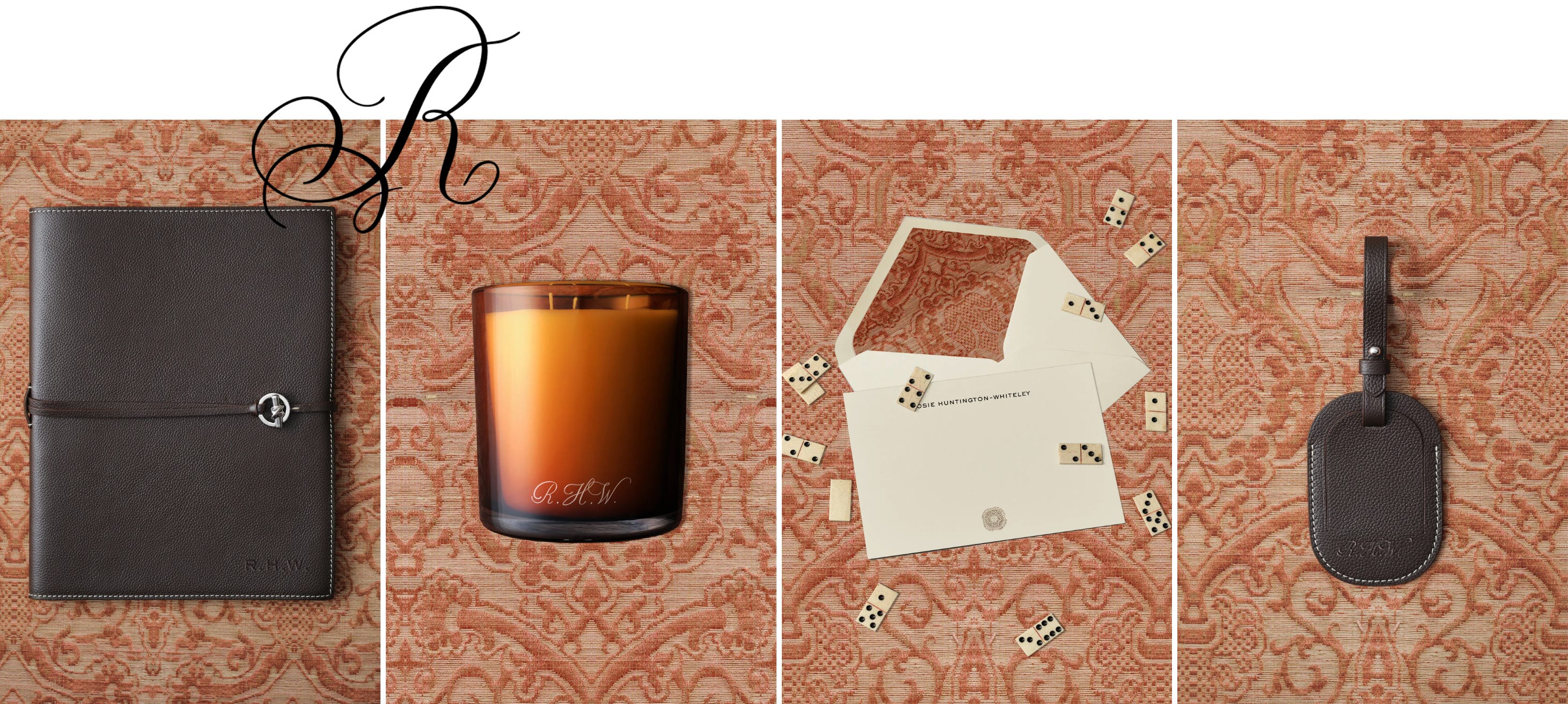
Heirlooms in waiting: that’s the language they’re using. Not “luxury goods” .. not “collectibles.” Heirlooms in waiting. Objects designed to become meaningful over time. Custom calligraphy, Murano handblown glass, delicious italian leather that makes you want to go analog. The kind of TLC that tells you someone spent months or years thinking about where each element comes from and why it matters.
The price point is premium, but not the premium of exclusivity for exclusivity’s sake. It’s the premium of: we spent time on this, sourced it properly, and we designed it to last. You’re paying for the object to matter.
That’s the taste architecture showing up in the product itself.
And Rosie as the face of the brand isn’t just a celebrity endorsement. She’s been building a personal brand around taste and thoughtful pieces for years. She has an eye and an actual point of view about what’s beautiful and why. So attaching her name and aesthetic to Mémoire says that this brand was built by people who genuinely care about those things.
Why all this matters
We’re in a weird cultural moment where luxury is trying to figure out authenticity. Every brand is claiming craftsmanship and every founder is talking sustainability.
But taste can’t be performed. It either exists or it doesn’t.
meaghan cox’s trajectory shows what real taste looks like. Not the broadcast version or some social media strategy. The actual thinking that shapes how a brand lands.
She moved from Jenni Kayne to Westview Ventures to Mémoire. Not necessarily to chase titles or paychecks. But to follow taste.
So here’s what I’m watching: the brands Westview takes on next. How Mémoire evolves as it lands. And whether people buy it for what it stands for and not just for whose name is on it.
If Mémoire becomes the kind of brand that makes people want to build a life worth passing down, it says something important about where luxury actually lives in culture right now.
Not in scale or in visibility. But in taste.
And if someone has figured out how to build that architecture at this moment, it’s someone most of us have never heard of.
Until now.