

Everlane sold out... to SHEIN
Why the “buy better” era was always going to end like this.

Tables Ready is a weekly publication on modern ambition, social capital, taste, and the people and brands shaping culture. Let’s get into it →
In case you missed it: SHEIN bought Everlane for approx 100 million.
The brand that once made you feel elevated for spending $110 on a white t-shirt is now owned by the company responsible for the $4 top your friend pretends she thrifted. The brand that showed you the ins and outs of the factory and made you care about it. Just sold to a company that has ~zero factories it wants to talk about.
The whiplash is real and the group chats are unhinged. And honestly.. the eye-rolling from the fashion crowd has been fully earned.
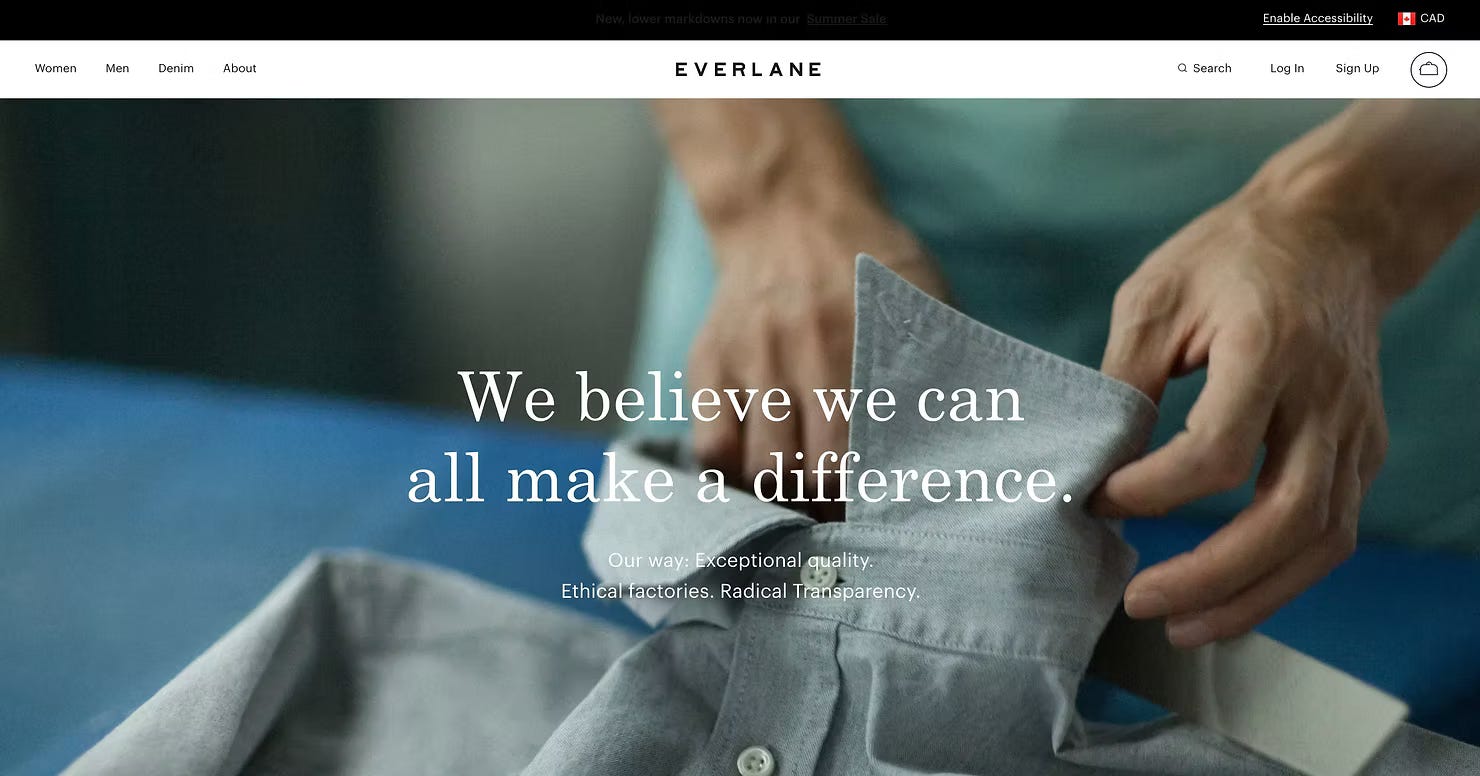
First, let’s talk about the era we’re actually grieving
Because this isn’t just about Everlane. It’s about a whole chapter.
Around 2011, something shifted in how a certain kind of person (definitely me, and probably you if you’re reading this) wanted to shop. The millennial/zillennial (think of you now when I write that word tariro makoni !!), the savvy online shopper, city dweller, newly employed, and newly guilty about fast fashion.
This was the same generation that grew up on Limited Too as tweens and Forever 21 “going-out tops” in college. Only now we had bigger paychecks, slightly more self-awareness, and a growing desire to prove we were making better choices than before.
And right on cue.. a wave of brands arrived with the same quiet promise: buy less, but buy better.
Everlane with a single transparency-forward t-shirt and a waitlist of 60,000 people. Do you remember the waitlist?! Reformation making sustainable fashion feel sexy instead of crunchy. Cuyana (a fav) with their tagline “fewer, better things.” Allbirds selling you sneakers made from merino wool so clean you didn’t even need to wear socks with them. Warby Parker making you feel good about your glasses. And Glossier making you feel good about your face.
It was a wild time. These brands were selling products while selling a collective identity. It was the comeback for the small brick and mortar era. You'd walk into one of their stores on a Sunday afternoon just to peruse, because it was the first out-of-mall experience that felt genuinely enjoyable instead of just expensive.
And for millennials, and the elder zillennials right behind them, this was their grown consumer era. The idea of having arrived somewhere more thoughtful: the rise of the capsule wardrobe. The version of yourself who had finally figured it out.
It was a whole worldview shift dressed up as an entire generations adopted shopping habit.
And then the years when on and it got a little weird, right?
Like.. you couldn’t put your finger on it but something shifted. The quality felt different. The prices kept going up but the justification got harder to find. You’d still buy things but you’d stopped really talking about it the way you used to. Stopped recommending it to people with that particular kind of energy. The era wasn’t necessarily over. But it had fizzled a little. And none of us really ever acknowledged it.
But what if Everlane isn’t that different from SHEIN?
Wild timing… I was talking to someone last week at dinner who worked at one of these “conscious fashion” brands in the height of the era. I’m not naming the brand because that wouldn’t be nice (but it’s one of the ones mentioned above for context).
She said she watched it happen in real time —- the shift.
And it didn’t start with some dramatic pivot or a new CEO coming in hot. It started with a zipper.
“What if we cut corners here with this zipper? It can still be considered quality, timeless… better.”
One zipper. Fine…. Reasonable even.
And then another small thing. Then another. Each one individually defensible. Until the finish line kept moving and the quality meant something totally different from where they started.
So here’s the question that’s been sitting with me: is that why the Shein sale made sense from the inside?
Because from in there, they already knew how far the finish line had moved. And the people out here are the ones totally shocked because we never got the memo.
We thought this whole time we were buying one thing and they knew they were selling another.
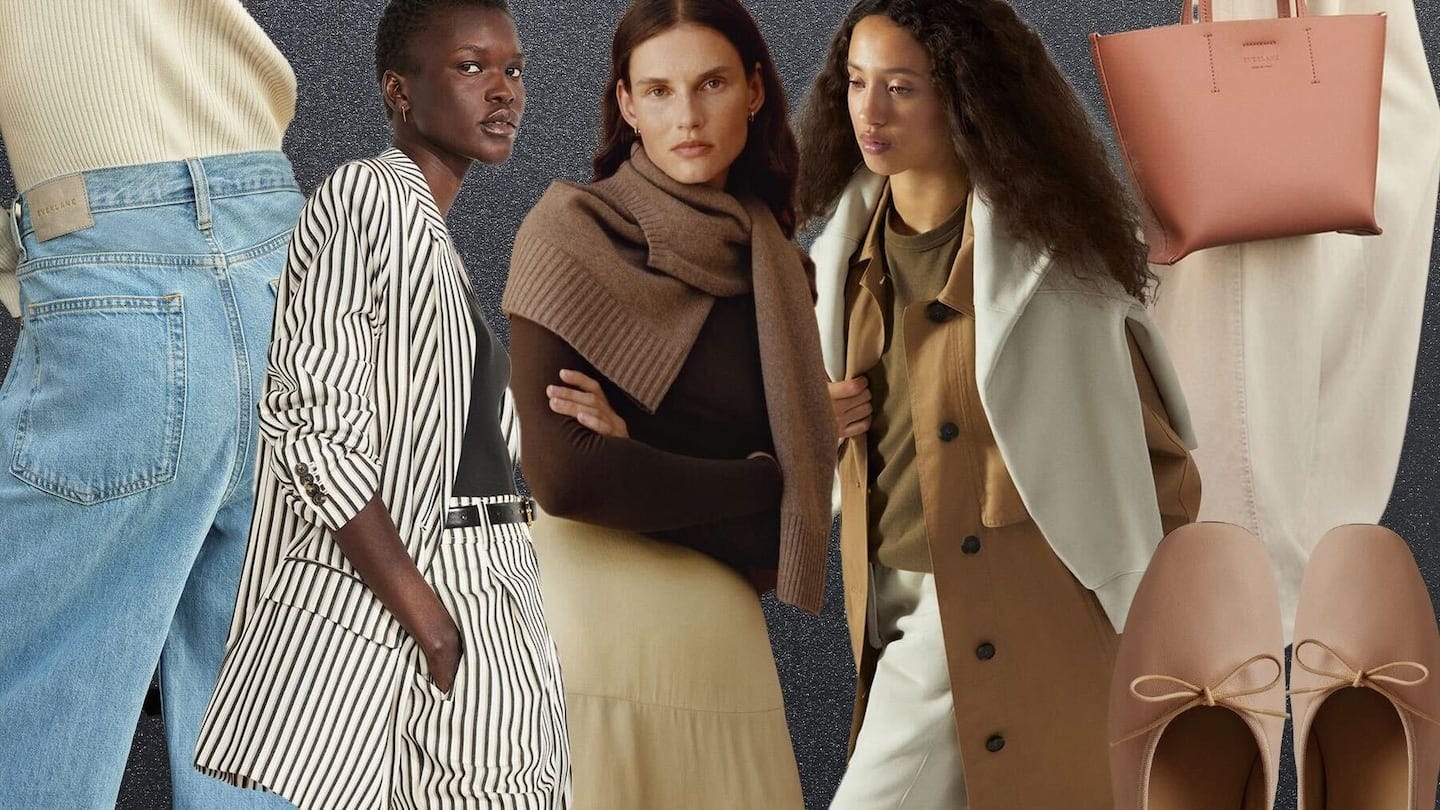
In hindsight the ending makes sense.
They started as an invite only clothing brand with a 60,000-person waitlist and an overpriced t-shirt and ended here. Purchased by SHEIN. But realistically was it ever going to end any other way?
Because here’s what the full picture looks like…
Reformation sold a majority stake to London private equity. Quietly in 2019 while we were still buying the slip dress and feeling great about it. Did you hear about it then? I didn’t. But sure enough, if you’ve bought anything from them recently, you know the quality isn’t what it was. The story is still good. The fabric is not. The finish line moved there too. We just didn’t make it a news story.
We know it’s PE-backed now, because we experienced the quality shift and we started asking questions and looking. So that’s exactly why we’re aware now of the Shein purchase in real time this time.
I did some digging on how these 2012ish conscious brands are during because now I’m INVESTED. Here’s more:
Allbirds went public at a $2.1 billion valuation and sold its brand assets earlier this year for $39 million. That’s not a typo. Ninety-nine percent gone. And don’t even get me started on their AI pivot. Outdoor Voices burned through $50 million, collapsed from the inside, and got acquired. Glossier was at one point valued at $2 billion and now it’s closing most of its stores.
The whole era is unwinding in real time.
And what’s showing itself is that the business model and the brand promise were always in tension with each other. You can’t raise hundreds of millions in venture capital, promise infinite growth, and also stay small and considered and intentional. The math just doesn’t math. And when demand and culture inevitably catch up. When the cool wears off. When the customer gets pickier. Or when the economy shows it’s stripes. The exit looks like private equity, or a fire sale… Or SHEIN.
It was always going to end somewhere. I just don’t think as consumers and believers in these brands we ever thought it would end here.
We the people are disturbed and should be
So here we are. The era that promised us better is being absorbed by the machine it claimed to be different from. One zipper at a time and one acquisition at a time.
And honestly, I think we get to be annoyed for a minute. Because it is annoying.
I’ll close with a readers comment and a question.
BONDE member and someone I deeply admire, and who dedicates her 9-5 and beyond to fostering mission-driven ethical brands Kelly Hilovsky, had this to say about the Everlane acq:
“Have been thinking about this a lot and what it takes to fully integrate values and protect a “mission driven” business (aka my day job). Without values embedded in structures (legal docs etc), this acquisition feels like the rule, not the exception.”
So here’s the question: Is this actually surprising for a VC-backed company? Or is this just what eventually happens when a brand built on values collides with the pressure to scale? Can a venture backed company with values to start sustain them to the end?

I am soooo glad I read this!!!! I am literally shocked!! 🫢😮